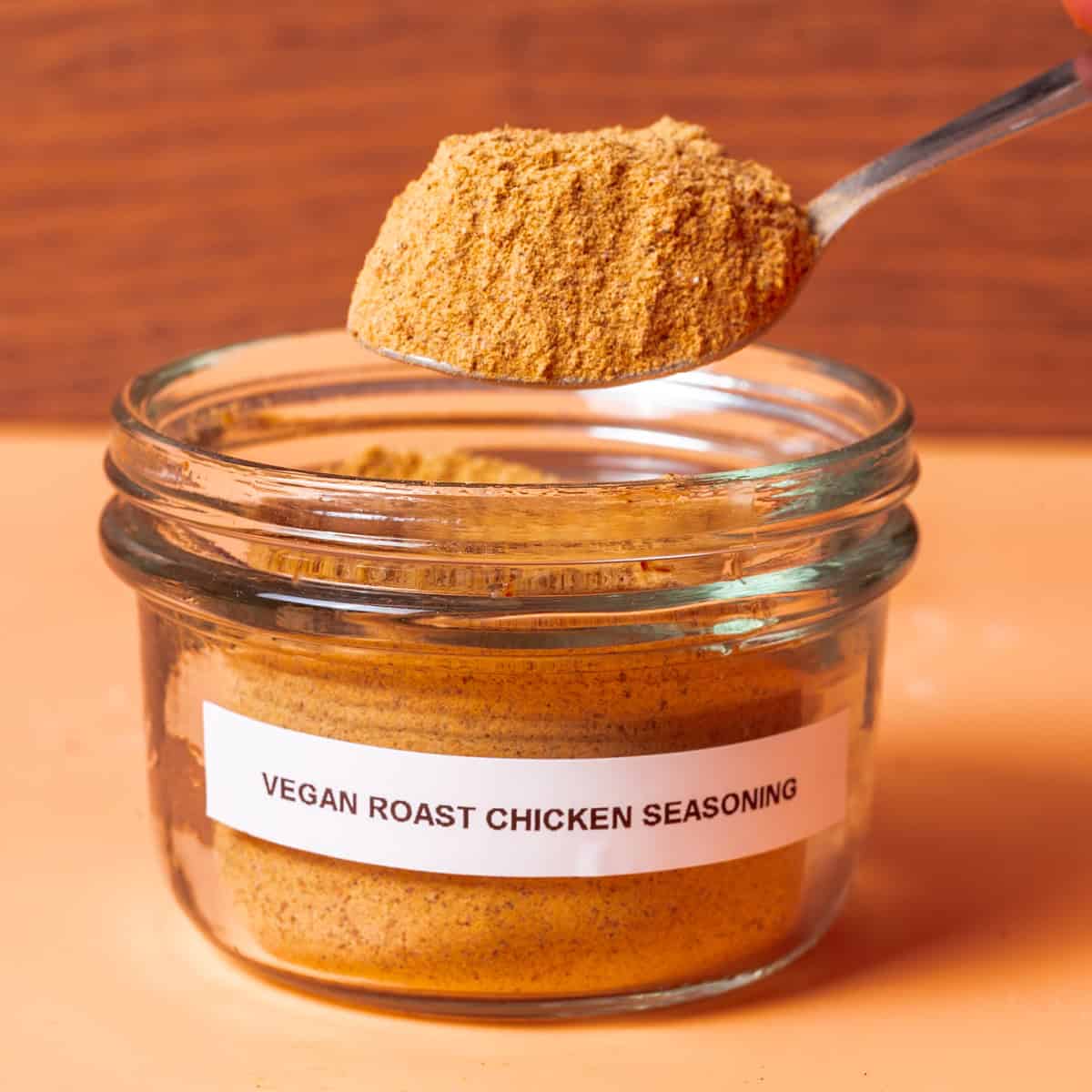
Homemade Vegan Chicken Seasoning: Real Taste, No Hidden Ingredients
For many, the comforting, savory notes of chicken flavor are deeply ingrained in culinary memory. Whether it's the base of a hearty soup, the richness of a gravy, or the savory depth in a sandwich spread, that distinct profile is often craved. However, for those embracing a plant-based diet, finding a suitable, genuinely delicious, and ingredient-transparent alternative can be a real challenge. Store-bought vegan "chicken broth" or "chicken-style" seasonings often come with a laundry list of unpronounceable chemicals, excessive sodium, or ingredients that don't align with a clean-eating philosophy. This is precisely where the magic of homemade vegan
chicken seasoning comes into its own, offering unparalleled control, exceptional flavor, and the peace of mind that comes from knowing exactly what you're eating.
Imagine a world where you can infuse your plant-based dishes with that satisfying, umami-rich chicken flavor, without any animal products, processed oils, or questionable additives. It's not just a dream – it's entirely achievable with a simple, customizable blend of spices and herbs. This article will guide you through the compelling reasons to craft your own vegan
chicken seasoning, reveal the essential ingredients for a truly authentic taste, and explore the myriad ways you can incorporate this powerful flavor enhancer into your everyday cooking.
Why Go Homemade for Vegan Chicken Seasoning? Unpacking the Benefits
The decision to make your own vegan
chicken seasoning is driven by a desire for both superior taste and uncompromising quality. The benefits extend far beyond just avoiding animal products, addressing common frustrations with commercial alternatives head-on:
*
No Unpronounceable Ingredients or Hidden Additives: This is arguably the most significant advantage. Many commercial seasonings, even those marketed as "natural," can contain ingredients like disodium inosinate and disodium guanylate. While not MSG itself, these are flavor enhancers often found alongside it, raising concerns for those sensitive to such additives. With a homemade blend, every ingredient is something you recognize and trust – straight from your spice rack.
*
Complete Control Over Sugar and Sodium: Store-bought options can be notorious for their high sodium content or the inclusion of sugar as a filler. When you make your own, you dictate the amount of salt, allowing you to create a blend that supports your dietary needs and personal preferences. Sugar, if used at all, can be a minor ingredient or omitted entirely.
*
Accommodating Food Allergies and Intolerances: For individuals managing specific food sensitivities, pre-made spice mixes can be a minefield. Wheat, soy, or dairy derivatives might hide in unexpected places. Crafting your own
chicken seasoning provides the ultimate assurance that your blend is free from any ingredients you need to avoid, offering a safe and delicious solution.
*
Cost-Effectiveness: While an initial investment in individual spices might seem higher, the long-term savings are substantial. A batch of homemade seasoning costs significantly less per serving than continuously purchasing specialized vegan broths or seasoning packets. You’re essentially buying in bulk and only paying for the raw ingredients.
*
Nutrient Density and Antioxidants: Unlike highly processed alternatives, a homemade blend is packed with the natural antioxidants and nutrients found in a wide variety of herbs and vegetables. Ingredients like garlic, onion, and various herbs are known for their health-promoting properties, turning your seasoning into more than just a flavor booster.
*
No Vegetable Oil: Many liquid broths or some powdered seasonings might contain added vegetable oils. For those mindful of oil intake, a dry homemade spice blend offers a completely oil-free way to impart rich flavor.
The true testament to a homemade vegan
chicken seasoning’s quality lies in its ability to fool even the most discerning palates. As one anecdote goes, a friend shared her vegetarian "chicken" noodle soup made with such a seasoning with a coworker whose husband was a meat cutter. After a taste, the coworker's impressed reaction was, "Are you sure it's not real?" That's an affirmation of authentic flavor that speaks volumes.
Crafting the Perfect Vegan Chicken Seasoning Blend: Essential Ingredients
The secret to a truly authentic vegan
chicken seasoning lies in a thoughtful combination of spices that mimic the savory, umami-rich, and slightly herbaceous notes associated with traditional chicken flavor. Forget complex chemistry; it's all about balancing readily available pantry staples. When building your blend, think about layers of flavor – savory depth, aromatic warmth, and a subtle zest.
Here are the core ingredients that form the backbone of an exceptional homemade vegan
chicken seasoning:
*
Nutritional Yeast: This is a non-negotiable hero in vegan cooking for replicating savory, cheesy, and umami flavors. It provides a distinct, almost "brothy" depth that is crucial for a convincing chicken-style taste.
*
Garlic Powder: Essential for a mellow, pervasive savory depth without the sharp bite of fresh garlic. It’s a foundational flavor enhancer that underpins the entire blend.
*
Onion Powder/Granules: Like garlic powder, onion powder contributes to the overall savory profile, enhancing other flavors without overpowering them. It adds a subtle sweetness and aromatic backbone.
*
Salt: While we aim for control, salt is indispensable for balancing all the flavors and making them "pop." Choose fine-grain sea salt or Himalayan pink salt for better dispersion.
*
Black Pepper: Freshly cracked or good quality pre-ground black pepper adds a necessary little heat and a fresh, peppery bite that rounds out the savory notes.
*
Dried Herbs: A blend of herbs is critical for the characteristic "herby" warmth.
*
Italian Seasoning: A convenient blend often containing oregano, basil, thyme, rosemary, and marjoram, it provides a warm, fragrant, and slightly earthy base.
*
Dried Parsley: Adds a fresh, green, and slightly earthy note.
*
Dried Oregano: Offers a robust, slightly bitter, and peppery aromatic quality.
*
Smoked Paprika: While not traditionally in every chicken seasoning, a touch of smoked paprika adds a wonderful, subtle smokiness and a beautiful reddish hue, contributing a layer of savory complexity that can evoke roasted flavors.
*
Turmeric (Optional, but Recommended): A tiny pinch of turmeric not only offers potential health benefits but also imparts a lovely golden color to your seasoning and anything you cook with it, subtly hinting at that classic "chicken" appearance.
To prepare your blend, simply combine these ingredients in a small bowl, stirring well to ensure an even distribution. For a deeper dive into how these aromatic powerhouses contribute to savory dishes, consider exploring
Mastering Chicken Seasoning: Garlic, Herbs & Savory Depth for Any Dish. Remember, the beauty of homemade is customization – feel free to adjust ratios to match your personal preference. Love more garlic? Add it! Want a sharper peppery kick? Increase the black pepper.
Beyond the Broth: Versatile Uses for Your Homemade Vegan Chicken Seasoning
Once you’ve perfected your homemade vegan
chicken seasoning, you’ll discover its incredible versatility across a wide array of plant-based dishes. This blend isn't just a one-trick pony; it's a culinary powerhouse ready to transform your meals.
*
The Ultimate Broth Substitute: Its most obvious application is as a direct substitute for chicken broth in any recipe. Simply dissolve a teaspoon or two in a cup of hot water to create a rich, flavorful vegan chicken-style broth for soups, stews, gravies, risottos, or to cook grains like quinoa or rice.
*
Hearty Soups and Stews: Elevate your lentil soups, vegetable stews, or even a classic noodle soup (think vegan "chicken" noodle soup!) with a generous sprinkle. It provides that comforting, umami base that makes these dishes truly satisfying.
*
Flavoring Plant-Based Proteins: This seasoning is fantastic for giving depth to tofu, tempeh, seitan, or mushrooms. Sprinkle it generously on tofu before baking or pan-frying, mix it into a marinade for seitan, or season sliced mushrooms before sautéing them for a savory topping. You can even use it to season vegetables for the air fryer, creating deeply flavored, crispy bites.
*
Savory Sandwich Spreads and Dips: Blend it into a creamy vegan mayo base with finely chopped celery and herbs for a delightful vegan "chicken" salad sandwich spread. It can also enhance hummus, cashew dips, or other creamy spreads.
*
Roasting and Baking Vegetables: Toss root vegetables, broccoli, cauliflower, or Brussels sprouts with a little oil (if using) and your
chicken seasoning before roasting. The result is deeply caramelized vegetables bursting with savory flavor.
*
Enriching Gravies and Sauces: Whisk it into your vegan gravies or pan sauces to add a rich, complex layer of flavor that complements roasted vegetables or mashed potatoes beautifully.
*
Tofu Scrambles: Add a dash to your morning tofu scramble for a savory, umami-rich breakfast that feels hearty and satisfying.
This versatile blend steps in when plain salt simply isn't enough, or when vegetable broth doesn't offer the specific flavor profile you're seeking. To explore even more creative ways to incorporate this potent blend into your daily cooking, check out
Beyond Broth: Versatile Chicken-Style Seasoning for Every Meal.
Tips for Maximizing Flavor and Storage
To ensure your homemade vegan
chicken seasoning always delivers peak performance, keep these practical tips in mind:
*
Freshness of Spices: The quality of your individual spices directly impacts the final flavor. Purchase fresh, high-quality spices and replace them every 6-12 months for optimal potency.
*
Grind Your Own (If Possible): While convenient, pre-ground spices lose flavor faster. If you have a spice grinder, consider buying whole cumin seeds, coriander seeds, or even whole black peppercorns and grinding them just before making your blend for maximum aroma and flavor.
*
Taste and Adjust: When using your seasoning in cooking, always taste and adjust. You might find you prefer more or less salt, or a stronger garlic note. This is the beauty of controlling your ingredients!
*
Proper Storage: Store your homemade
chicken seasoning in an airtight container in a cool, dark place, away from direct sunlight and heat. This will preserve its potency and aroma for several months. Label your container with the date you made it.
*
Start Small: When first experimenting with your blend in a recipe, start with a smaller amount and add more as needed. It's easier to add flavor than to take it away.
Conclusion
Crafting your own homemade vegan
chicken seasoning is a transformative step for any plant-based kitchen. It empowers you with complete control over ingredients, ensuring a clean, healthy, and highly customizable flavor enhancer. Gone are the days of scrutinizing lengthy ingredient lists or compromising on taste. With a simple blend of familiar herbs and spices, you can unlock a world of savory, umami-rich flavor that will elevate your soups, season your proteins, and add depth to countless dishes. Embrace the real taste, with no hidden ingredients, and discover the culinary freedom that comes with making your own delicious, plant-based
chicken seasoning.